AI That Knows When Not to Act — Live at NXP Technology Days
Themis AI is at NXP Technology Days in Detroit, October 28–29, 2026. Two live demos on NXP silicon show what a model looks like when it knows its own limits.
On this page
Themis AI is at NXP Technology Days in Detroit on October 28–29, 2026. Come find us at the booth — we’re running two live demos on NXP silicon, and we’d love to show you what a model looks like when it knows its own limits.
The short version
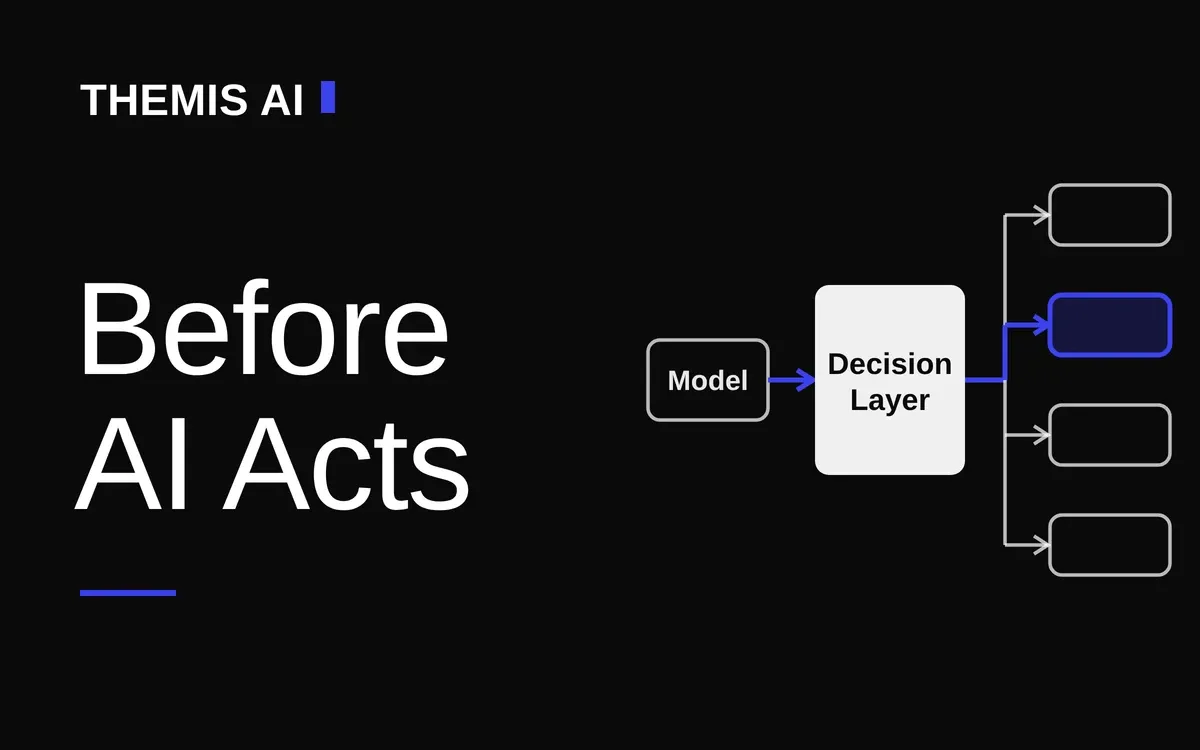
Modern AI is remarkably accurate, but it still can’t reliably tell you when it’s wrong — it doesn’t know what it doesn’t know. Themis builds tools that let a model flag the inputs it is likely to get wrong. Our platform, Capsa, adds a risk signal alongside a model’s prediction, so a system can tell an input the model understands from one it doesn’t and decide whether to proceed, verify, reroute, or escalate rather than acting blindly.
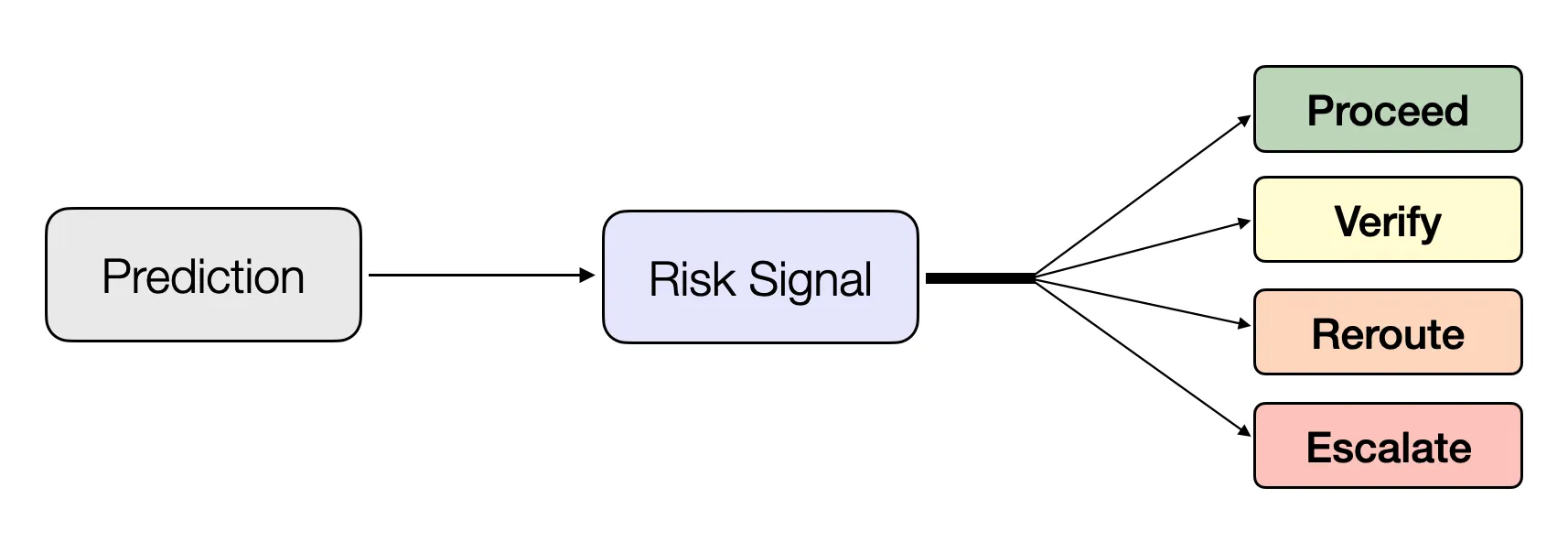
Figure 1: The Themis decision layer. A risk signal alongside each prediction routes every case — proceed on familiar inputs, and verify, reroute, or escalate the rest.
At the booth, you’ll see this running live on the NXP i.MX 8M Plus — on-device, in real time, with no round-trip to the cloud.
What we’re demoing
Both demos run on the NPU, and each catches a different way perception goes wrong.
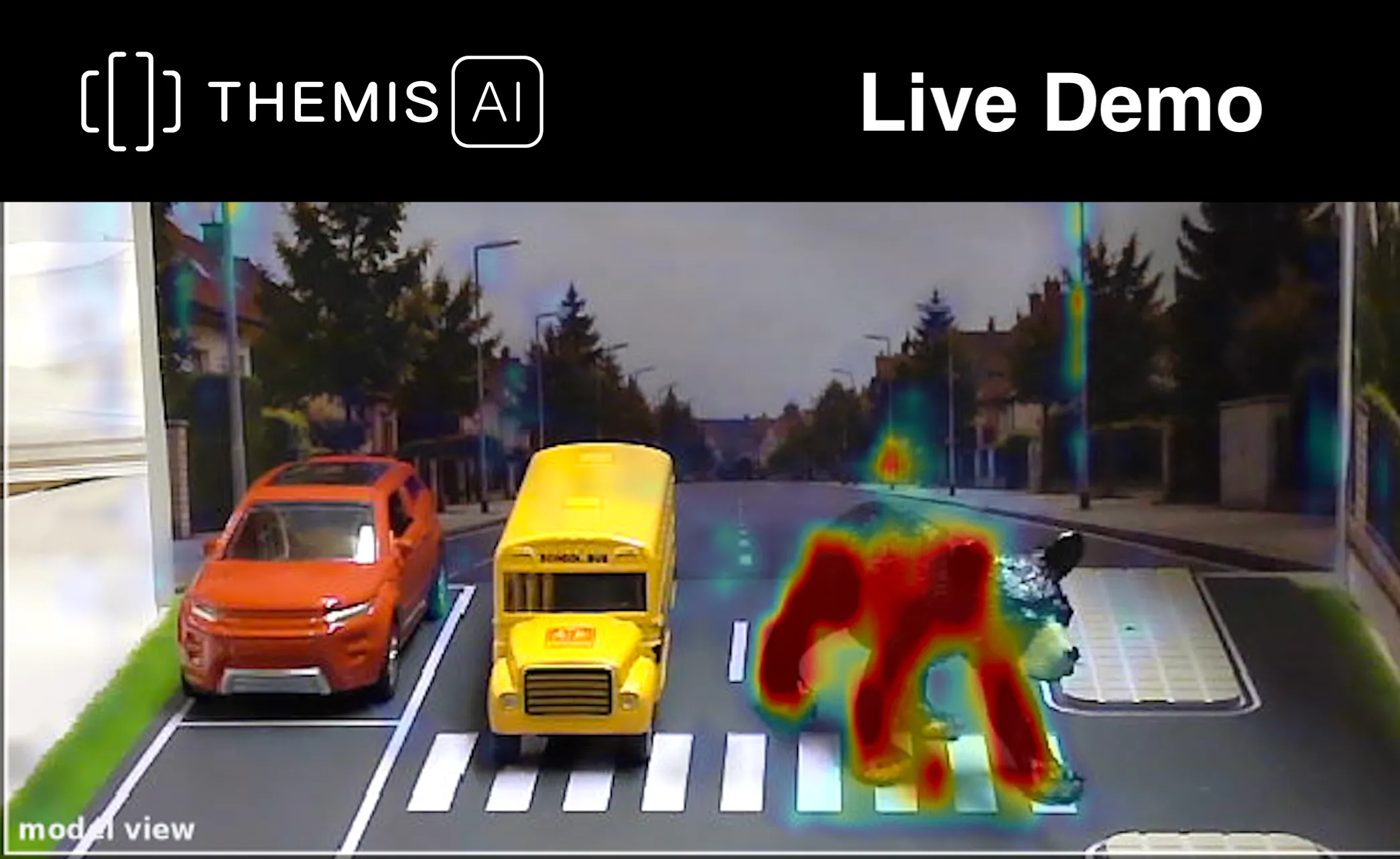
Foreign object detection. Point a camera at a road scene and drop in something the model was never trained to expect, such as an animal in the crosswalk, and it lights up red on the risk map in real time. Alongside its prediction, the model is telling you “I don’t recognize this, so don’t trust my read of it.” Come place the objects yourself and see what it flags.
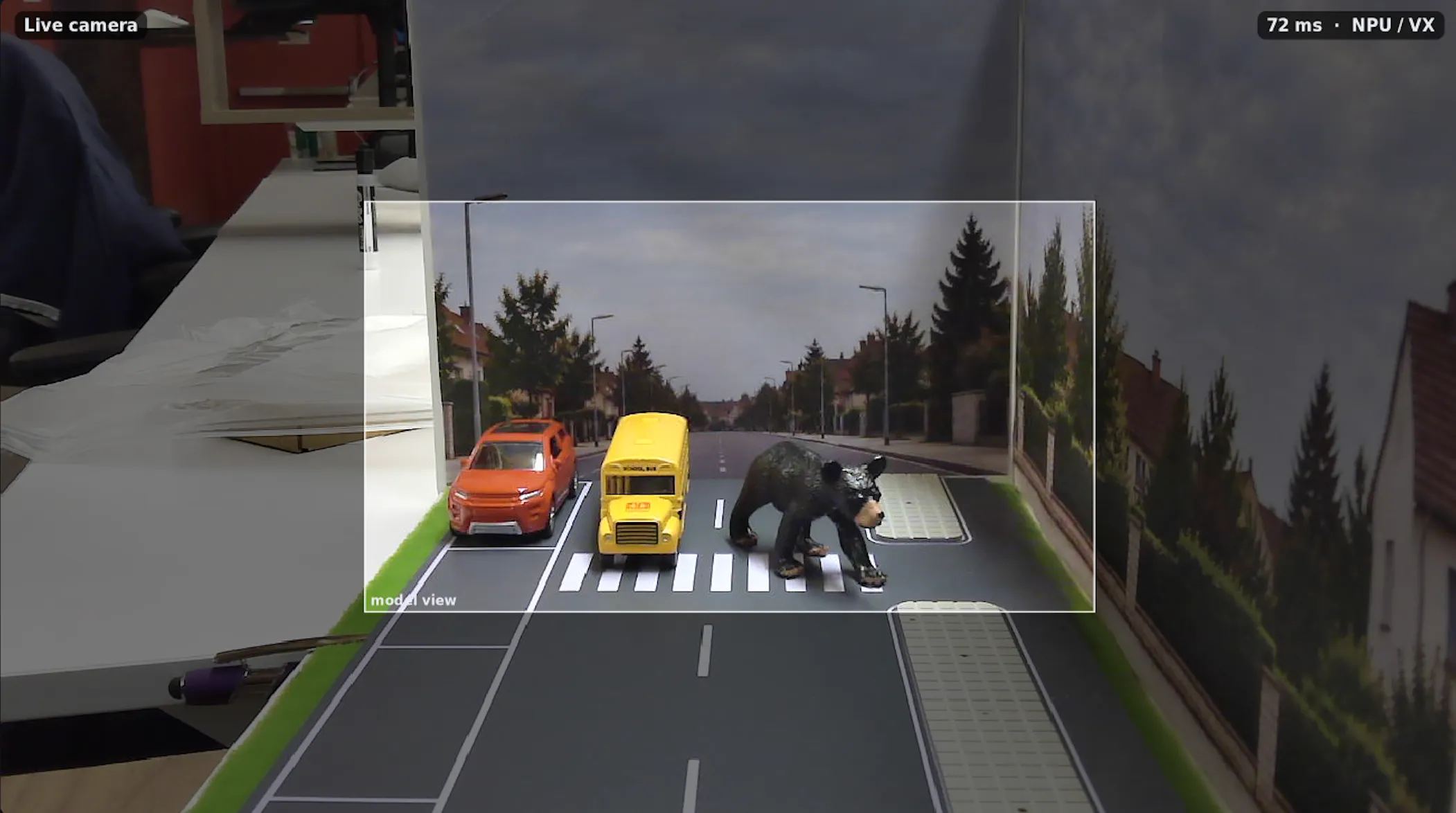
Figure 2: The live camera view of the scene — familiar objects (cars, a bus) alongside something the model has never seen.
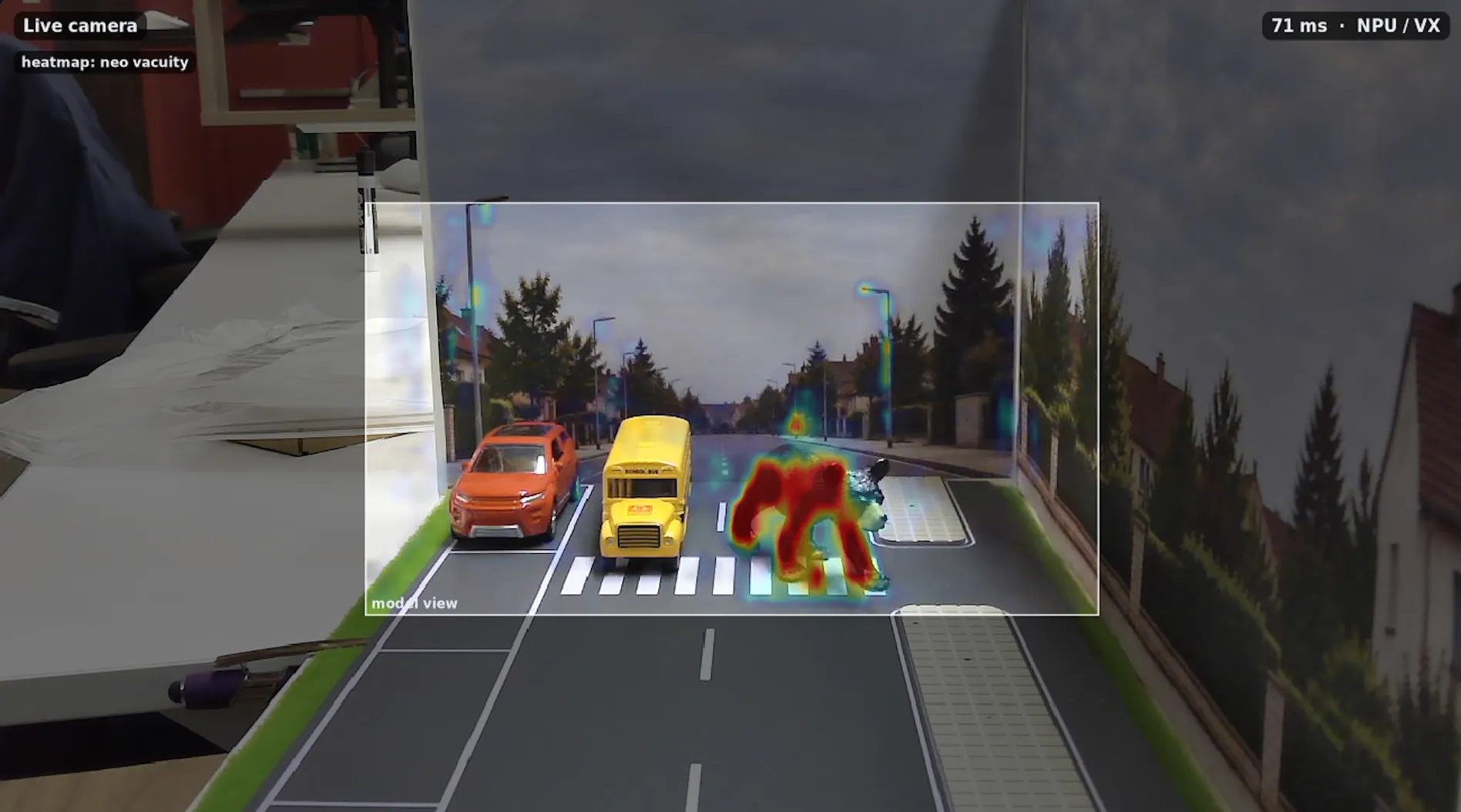
Figure 3: The Capsa risk map over the same scene. The unfamiliar animal lights up in red; the vehicles the model knows well stay clear.
Degraded-input detection. Here the question is whether the camera’s image can be trusted, rather than what’s in the scene. We run a real driving clip and you control the blur, as if the lens were fogged, wet, or failing. As the input degrades, the risk signal climbs until the verdict flips from trusted to degraded, so the system knows its own input can no longer be relied on.
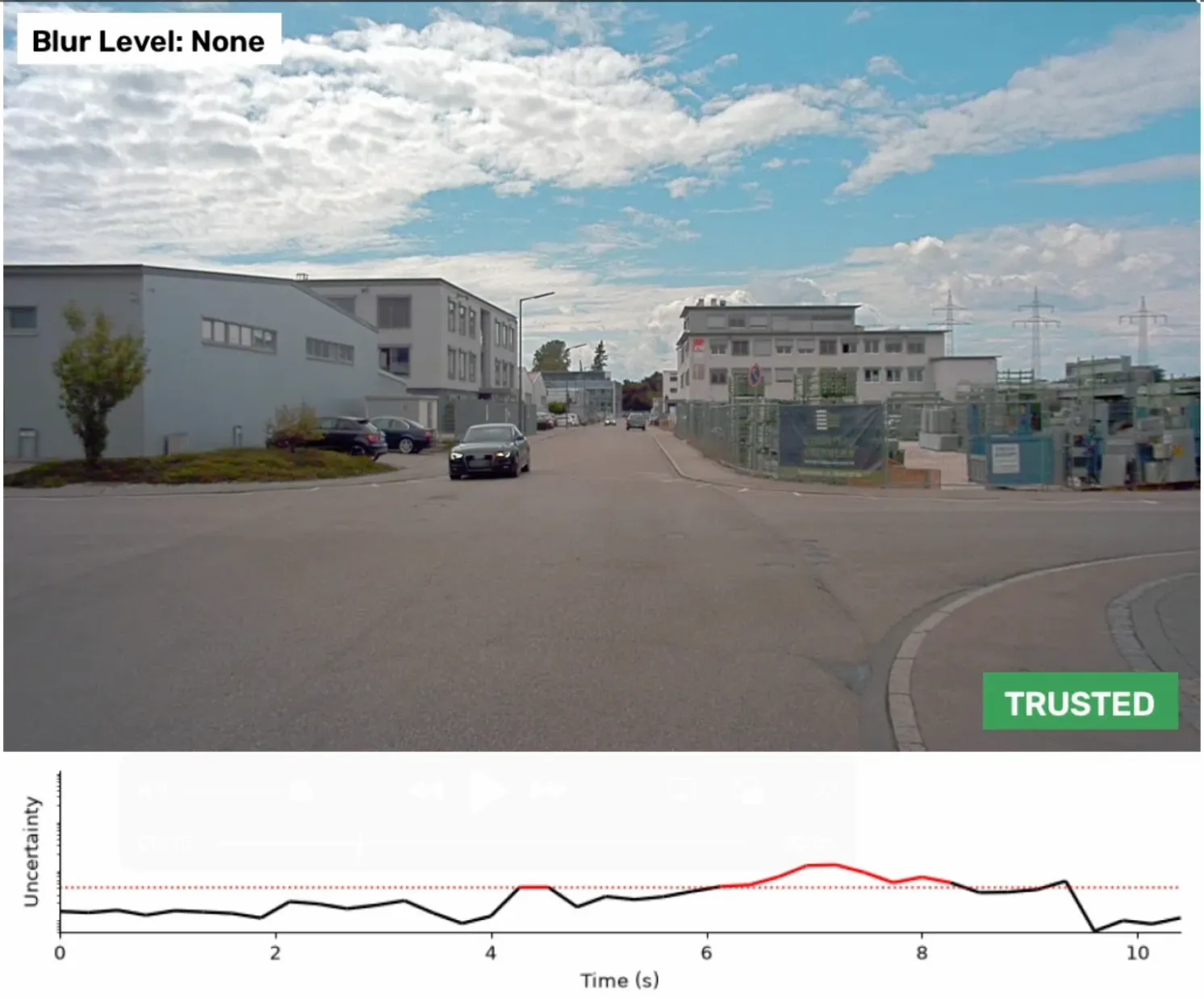
Figure 4: Clean input — the risk signal stays below threshold, verdict reads trusted.
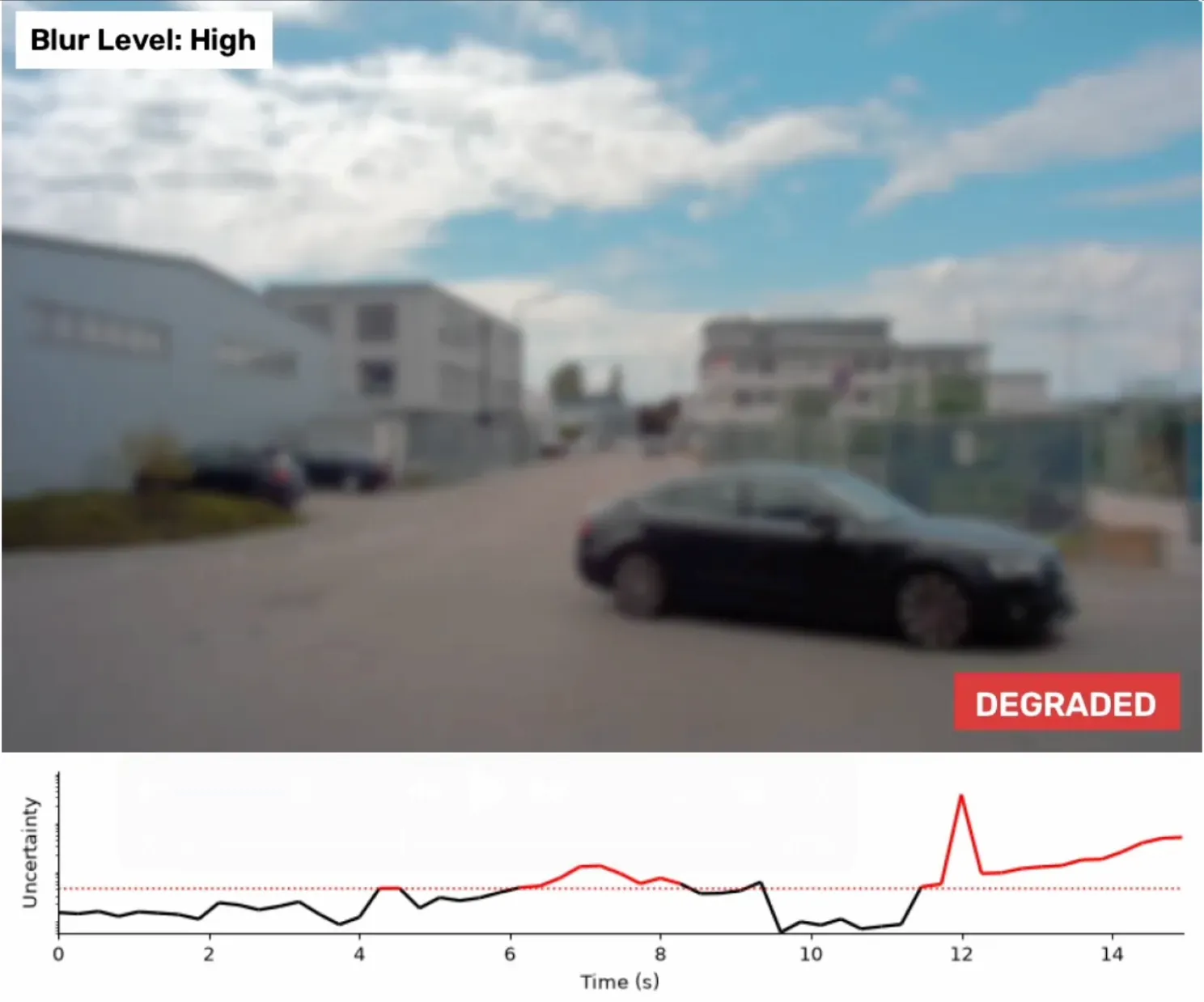
Figure 5: Degraded input — as blur rises, the signal crosses the threshold and the verdict flips to degraded.
Why it matters for automotive
In a vehicle, a perception model that’s confidently wrong is a safety liability. Redundant sensors help, but redundancy alone can still miss shared failure modes, such as a model that is confidently wrong about something it never saw. Capsa adds a complementary signal from within the model that flags the unfamiliar object or the failing camera, so the system can slow down, fall back to another sensor, or hand control to the driver. Because it runs live on the edge, that decision is made on the device, inside the control loop.
Come talk to us
We’ll have a booth at the Tech Lab throughout NXP Technology Days. Stop by to try the demos, meet the team, and talk through how this could apply to your own models and hardware.
Can’t make it, or want the details? Read the full technical brief and see more at themisai.io/nxp-tech-day, or reach us at info@themisai.io.
Driving frames in Figures 4 and 5 are from A2D2: Audi Autonomous Driving Dataset (Geyer et al., 2020, arXiv:2004.06320), used under CC BY-ND 4.0.
NXP, i.MX and eIQ are trademarks of NXP Semiconductors. This describes independent work by Themis AI and does not imply endorsement by NXP.